Basics · 5 min read
Engine Oil Capacity vs Oil Pan Capacity Explained
The oil pan holds most of the oil but not all of it. Learn where the rest goes and why aftermarket deep pans change the number.
Where the oil lives
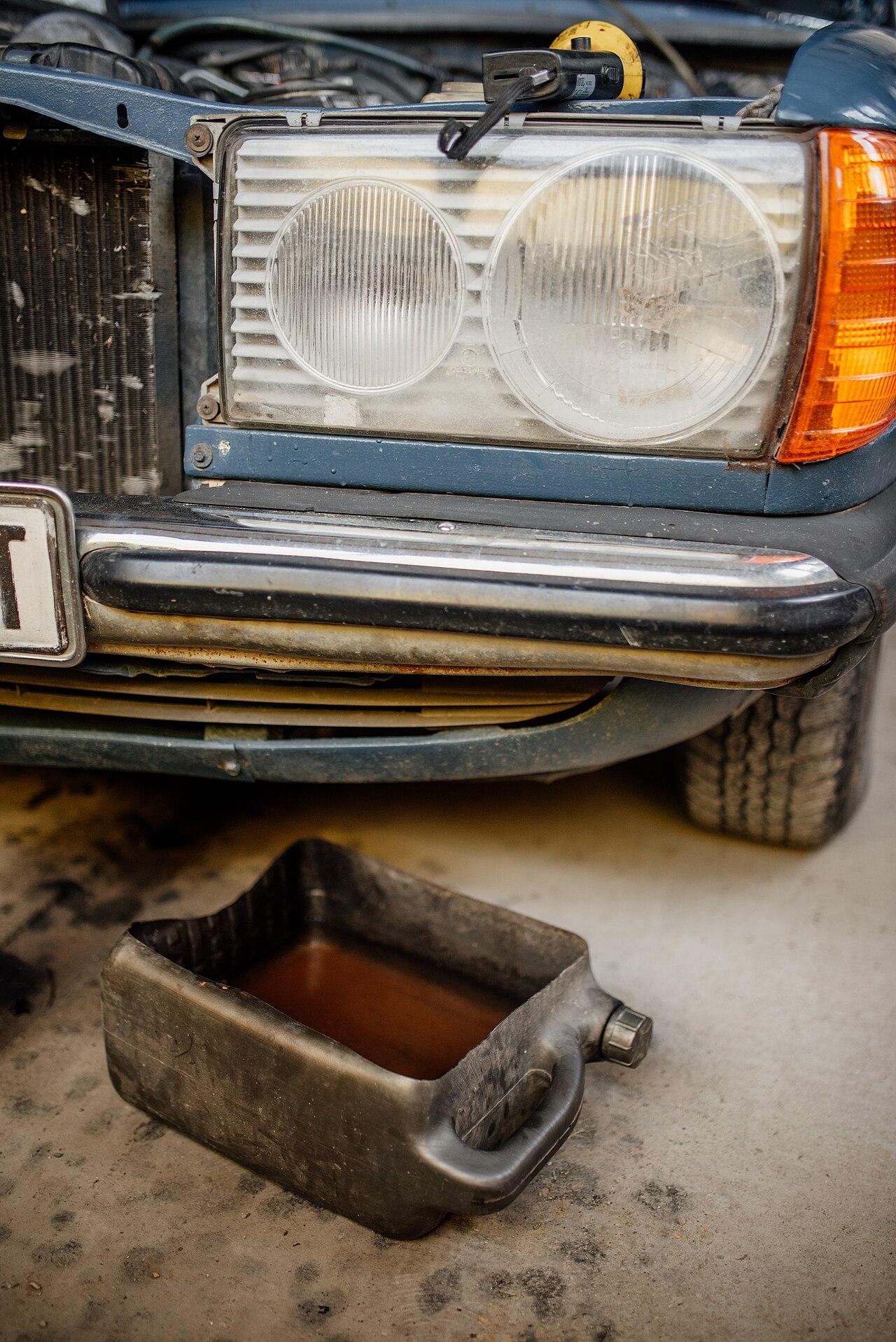
With the engine off, most oil drains down into the pan. The rest stays in:
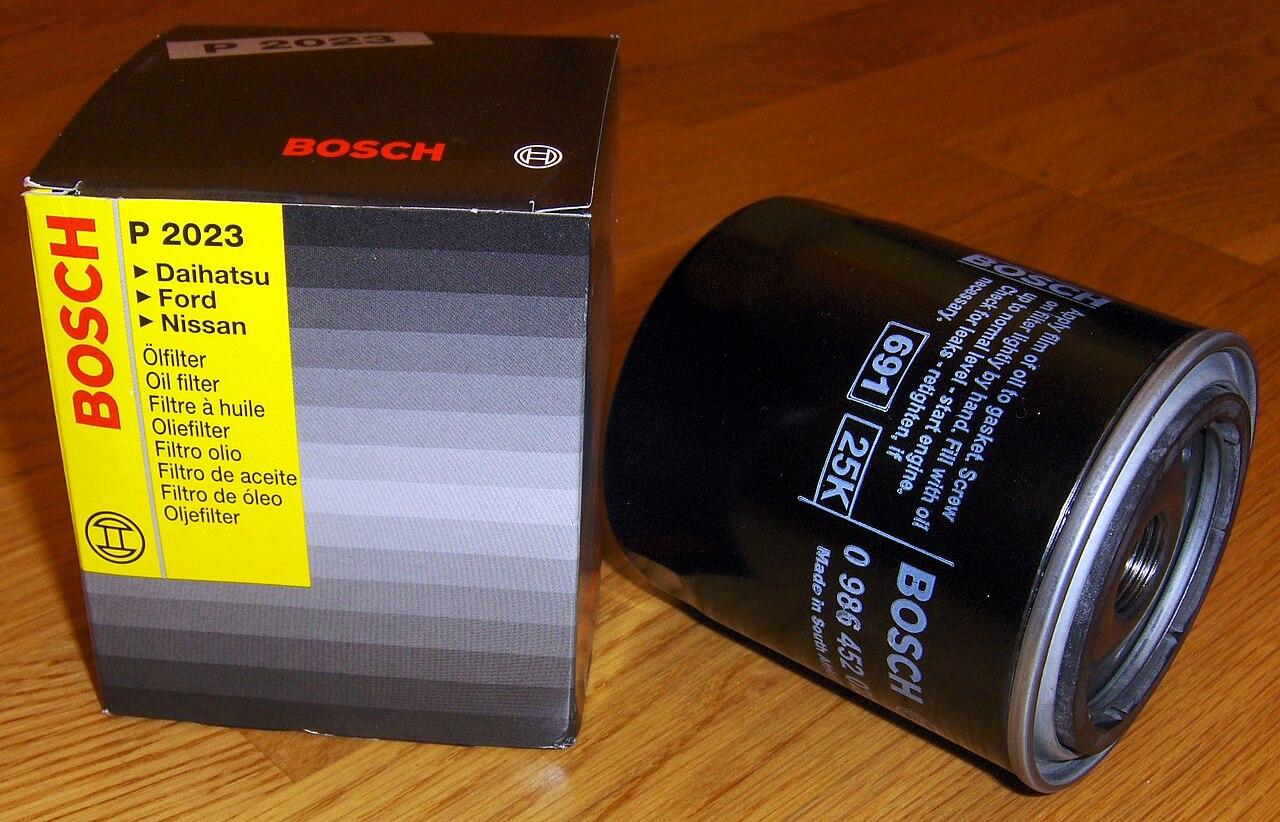
- the oil filter (or filter housing on diesels)
- the oil cooler and its lines
- main oil galleries, cam and lifter passages
- turbocharger feed and return lines
- a film on every internal surface
A normal drain removes the pan and filter oil — that's why the refill capacity is lower than the "dry fill" figure an engine builder uses after a rebuild.
Three numbers you'll see
| Term | Meaning | Use it when |
|---|---|---|
| Refill with filter | Oil to add after drain + new filter | Every oil change |
| Refill without filter | Oil to add after drain only | Rarely; filter not replaced |
| Dry / total capacity | Entire system from empty | New or rebuilt engine |
| Pan capacity | Physical volume of the sump | Choosing an aftermarket pan |
Aftermarket deep pans
Diesel owners often fit deeper pans — for example, extra-capacity pans for the 6.7 Cummins or Duramax add 2–4 quarts. If you install one, the factory capacity no longer applies: use the pan maker's figure and recalibrate your expectations on the dipstick (some kits include a new dipstick).
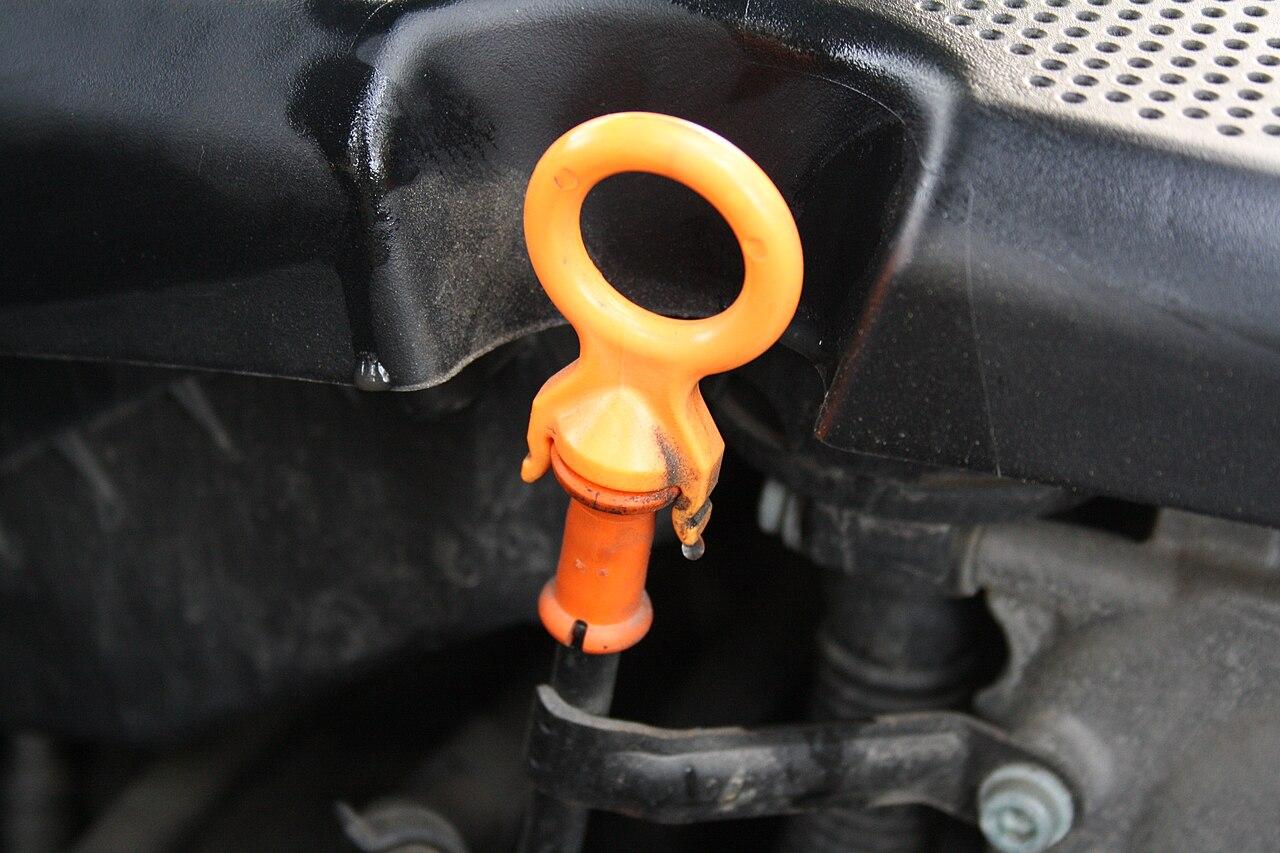
Dipstick range
The distance between "add" and "full" marks is usually one quart on gas engines and 1–2 quarts on heavy-duty diesels. That band is your safe operating range.
Frequently asked questions
Why does my engine take less oil than its total capacity?
Oil stays in passages, coolers and the turbo after a drain. Only a full rebuild or a dry engine needs the total (dry) capacity.
Does a bigger oil pan improve cooling?
More oil volume absorbs heat and dilutes contaminants, so deep pans can lower oil temperatures under heavy towing. They don't replace a proper oil change interval.
Sources
Capacities are approximate refill amounts. Add about 1 qt less than spec, run the engine briefly, then top up to the full mark on the dipstick.